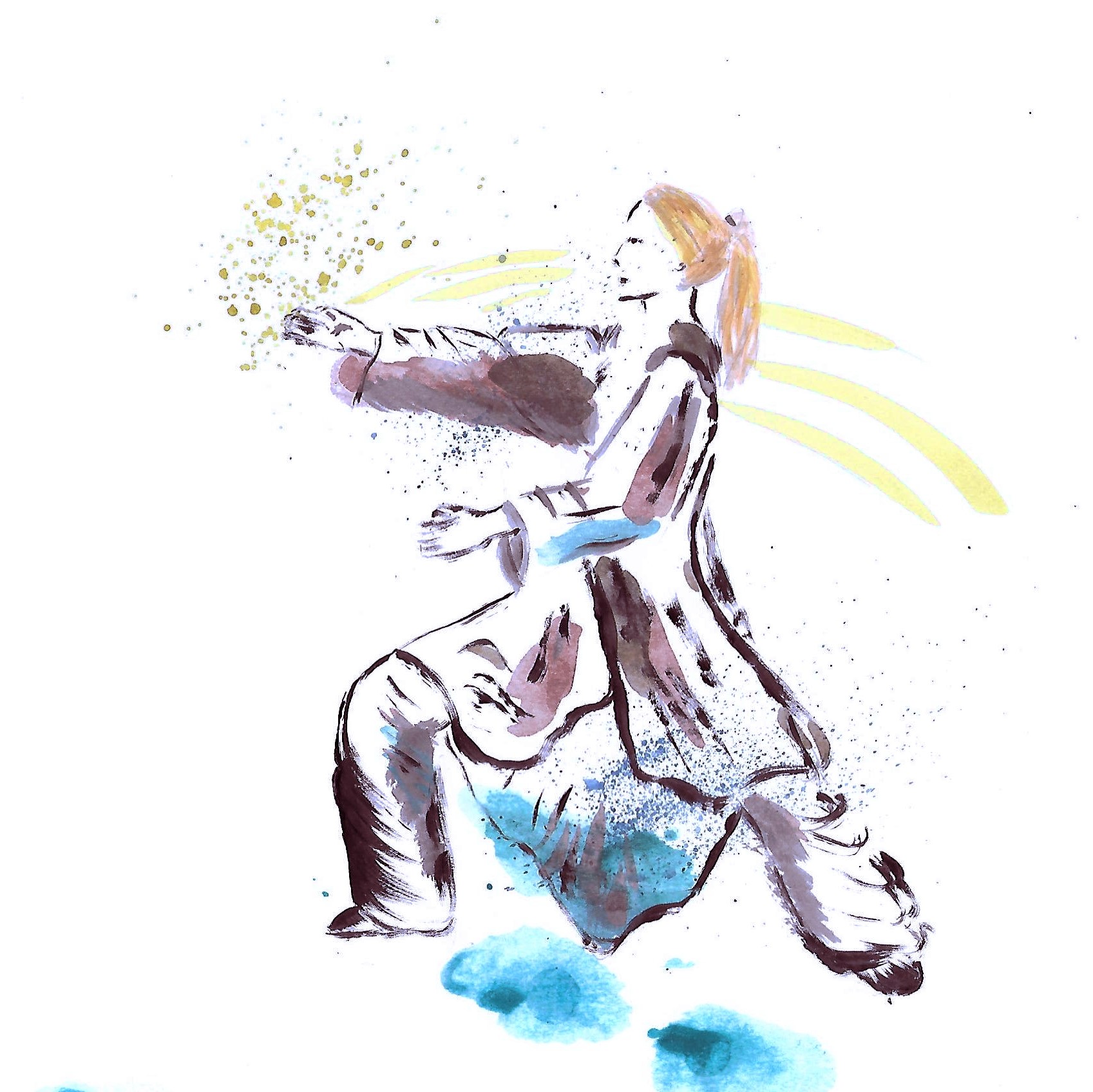
The DSV system serves as a profound framework to delve into the underlying causes of our behaviors, emotions, and thoughts, revealing layers of complexity that govern our psyche. By examining our states within these zones, we can uncover the roots of irrational actions, psychosomatic conditions, and the deep-seated consequences of past traumas. This diagnostic approach not only sheds light on the triggers behind our mental and physical struggles but also highlights the role of behavioral genetics in shaping our experiences. Understanding these dynamics is crucial, as it empowers individuals to tackle the foundational components that perpetuate their challenges, facilitating the journey toward healing and self-discovery. Read more about DSV-system.
Avoiding conflicts and running away from problems instead of addressing them is a common behavioral pattern associated with the damaged DU zone, particularly in the context of the V5 region.
The sacrum, which derives its name from the Latin word "Sacrum," meaning "sacred," is a crucial area that houses not only our foundational physical stability but also our vital life force, especially in relation to our reproductive organs. Various cultures have long recognized this connection, understanding that disturbances in the DU zone signify innate threats to one's life and well-being. The implications of such disruptions are profound; they manifest not only in physical symptoms but also in the cognitive and emotional responses of an individual, leading them to retreat into a safe mental space rather than confronting daunting issues head-on.
When there are disturbances in the DU zone, our body's subconscious perceives these as threats to our very existence. Issues related to DU zone, can manifest at different stages of life. Once the DU is affected, the parasympathetic nervous system often leads us to feel hurt and to withdraw from uncomfortable circumstances—much like a teenager who, feeling slighted by their parents, decides to escape on a train journey.
This act of running away not only drains the energy from the V5 and S2 zones but also leaves the individual grappling with guilt and struggling with the upward flow of their life force.
Main reasons for damage to the DU zone:
- In perinatal age - the mother thought about having an abortion, but did not - DU feels everything!
- Intrauterine hypoxia, umbilical cord entanglement, pathological birth.
- Deprivation of early childhood (no mother nearby from birth, orphanage). By the way, even threats to send to an orphanage for bad behavior are damaging!
- Lack of support from the child's father (single-parent families, or a nominal father). This factor also damages DU in adulthood.
- Inability to take a breath, no matter the reason - either drowning, or choking, or being crushed by a pillow by kind children, or falling on the tailbone, or being hit in the solar plexus.
- Bleeding visible to the client, especially one's own. This could be the first period.
- Physical and sexual abuse. This could be the equivalent of the first visit to the gynecologist or urologist/proctologist.
- Physical injuries with loss of consciousness or operations under general anesthesia.
- Video games and films with murders and rivers of blood (due to the activation of mirror neurons in humans - we look at other people's passions, but subconsciously try them on ourselves!).
Therapeutic interventions aimed at balancing the DU zone, such as Biological Centering therapy, highlight the profound effects that addressing these deep-seated issues can have. Clients often report sensations of warmth in the lumbar region and an altered state of awareness that fosters emotional release, whether through laughter or tears. These moments can unlock new perspectives on life situations that previously seemed bewildering or insurmountable.
Moreover, the therapy effectively alleviates downward strain within the craniosacral system, providing a holistic sense of restoration that benefits both the body and mind. Through this process, individuals can reclaim their energy and begin to confront conflicts directly, transforming their relationship with challenges and fostering a renewed sense of empowerment.